
Koh Samui, Thailand - Travel Guide
Koh Samui is Thailand's second-largest island, sitting in the warm waters of the Gulf of Thailand off the eastern coast of the Kra Peninsula. With palm-fringed beaches, a lush mountainous interior, and one of the most developed resort scenes in Southeast Asia, it has grown from a quiet coconut-farming island into one of the region's most sought-after holiday destinations, without losing the tropical charm that made it famous in the first place.
Koh Samui holidays appeal to a wide range of travellers. Families come for the calm, clear waters and wide selection of beachfront resorts. Couples are drawn by the luxury villa scene and the quietly romantic atmosphere of the island's northern and southern coasts. Backpackers and budget travellers have long made Koh Samui a base for exploring the Gulf islands. And increasingly, wellness travellers arrive for the island's growing number of retreat and spa programmes.
Koh Samui is also well connected by sea to its neighbouring islands, Koh Phangan and Koh Tao, making it a natural hub for anyone planning an island-hopping itinerary in the Gulf of Thailand. Viaferry sells ferry tickets to and from Koh Samui operated by Boonsiri High Speed Ferries, with routes from Bangkok, Hua Hin, Koh Phangan, and Koh Tao available to book online.
Koh Samui Popular Ferry Routes
Koh Samui Ports & Departure Points
- Bangrak (Samui North)Bangrak Pier, Koh Samui, Ko Samui District, Surat Thani, ThailandTHA
- Nathon Pier97 ถนนอ่างทอง Ko Samui District Surat Thani 84140THA
- Koh Samui (Any hotel)ถนนธูปะเตมีย์, เทศบาลนครเกาะสมุย, Ko Samui District, Surat Thani Province, 84320, ThailandTHA
- Koh Samui (Koh Samui Airport)99, Tambon Bo Put, Amphoe Ko Samui, Chang Wat Surat Thani 84320, ThailandTHA
Koh Samui Ferry Operators

How to Get to Koh Samui by Ferry
The ferry is one of the most popular and practical ways to reach Koh Samui. Boonsiri High Speed Ferries connects the island to several departure points on the mainland and on neighbouring islands, with combined bus and ferry tickets available from Bangkok and Hua Hin, and direct ferry crossings from Koh Phangan and Koh Tao.
Bangkok to Koh Samui: Boonsiri High Speed Ferries operates a combined bus and ferry service from Bangkok to Koh Samui, transferring passengers overland to a mainland pier before the sea crossing. It is the most convenient option for travellers starting their Koh Samui holiday directly from the capital.
Pattaya to Koh Samui: The Pattaya to Koh Samui service combines road and sea transport in a single ticket, offering a connection for travellers departing from Thailand's eastern Gulf coast without the need to route through Bangkok.
Hua Hin to Koh Samui: The Hua Hin to Koh Samui service combines road and sea transport in a single ticket, making it a straightforward connection for travellers already based on Thailand's Gulf coast.
Koh Phangan to Koh Samui: The direct ferry between Koh Phangan and Koh Samui is one of the shortest and most frequently used crossings in the Gulf of Thailand, ideal for travellers combining both islands in a single trip.
Koh Tao to Koh Samui: Boonsiri High Speed Ferries connects Koh Tao directly to Koh Samui, allowing travellers to complete a three-island loop without returning to the mainland.
Island Hopping from Koh Samui
Koh Samui's position in the Gulf of Thailand makes it an ideal hub for island hopping. The two most popular nearby destinations are Koh Phangan and Koh Tao, both reachable by direct ferry with Boonsiri High Speed Ferries.
Koh Phangan is best known for its Full Moon Party but also offers quiet beaches, wellness retreats, and good snorkelling.
Koh Tao, further north, is one of the best places in the world to learn to dive, with warm, clear water and abundant marine life.
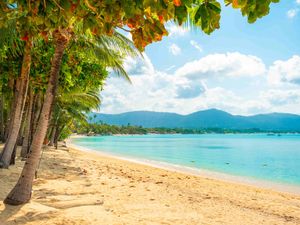
Koh Samui Beaches
Koh Samui's coastline offers a varied mix of beaches, each with its own character. Knowing which area suits you can also help you choose the most convenient ferry route and arrival pier.
Chaweng Beach: the longest and most famous beach on the island, with the widest range of hotels, restaurants, beach clubs, and nightlife. The most popular base for first-time visitors.
Lamai Beach: slightly quieter than Chaweng but still well developed, with a good mix of accommodation and dining.
Bophut Beach: a relaxed north-coast beach fronting the charming Fisherman's Village, popular with repeat visitors.
Maenam Beach: one of the quieter stretches on the island, on the north shore, popular with families and long-stay travellers.
Choeng Mon: a small, sheltered bay in the northeast with calm waters and a peaceful atmosphere.
South and west coasts: less developed and home to some of the island's most exclusive resorts, including the Conrad and Anantara properties, suited to travellers looking for seclusion.
Things to Do in Koh Samui
Koh Samui offers a wide range of activities and attractions, from beaches and water sports to cultural sites and inland adventures.
Chaweng Beach is the island's liveliest stretch of sand, lined with restaurants, bars, and beach clubs, and is the social centre of Koh Samui for most visitors. Lamai Beach, slightly to the south, strikes a balance between activity and calm, with good dining options and a more laid-back feel. For something quieter, Bophut on the north coast is home to the charming Fisherman's Village, a string of converted shophouses with independent boutiques, cafes, and seafood restaurants.
The Big Buddha Temple (Wat Phra Yai) on the northeast coast is one of the most visited landmarks on the island, featuring a 12-metre golden seated Buddha overlooking the sea. Wat Plai Laem, also on the north coast, is another striking temple complex worth visiting, with a large multi-armed statue of Guanyin rising from a lotus pond.
The island's mountainous interior is worth exploring for those who want to go beyond the beach. Na Muang Waterfalls are among the most accessible inland attractions, offering a short jungle hike to a natural swimming pool. Ethical elephant sanctuaries in the hills provide wildlife experiences for travellers interested in spending time with the animals.
Water sports are well catered for across the island's main beaches: kayaking, paddleboarding, jet skiing, snorkelling, and scuba diving are all widely available. For a full-day excursion, Ang Thong Marine National Park, an archipelago of 42 limestone islands, is accessible by day-trip boat from Koh Samui and is widely considered one of the most spectacular natural attractions in the Gulf of Thailand.
Best Time to Visit Koh Samui
Koh Samui has a slightly different seasonal pattern to much of Thailand due to its position on the eastern side of the Kra Peninsula. The driest and sunniest months are generally December through April, which is considered peak season. January and February tend to offer the most reliably good weather for a Koh Samui holiday.
The southwest monsoon, which affects much of mainland Thailand from May to October, has less impact on Koh Samui, but the island has its own wet season from October to December, when the northeast monsoon brings heavier rain and rougher seas, particularly in November. This can affect ferry services, so it is worth checking conditions if you are travelling during this period.
Shoulder months such as February, March, and early May often offer a good balance of fine weather, manageable crowds, and slightly lower accommodation prices than the December–January peak.